Lakshadweep |
 |

List of Universities of the World |

click for Other Tourist Place |
|
Lakshadweep |
|
List of Universities of the World |
click for Other Tourist Place |
|
|
|
|
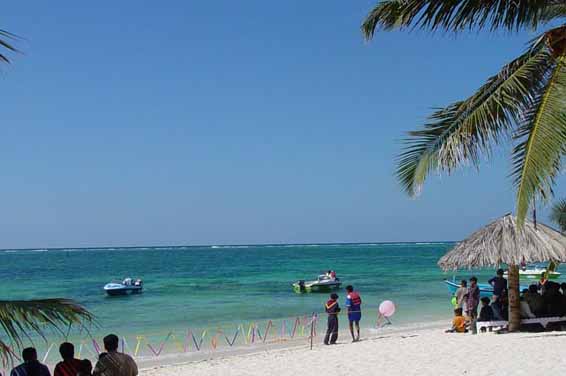 fundamentally this concept is still valid, although many consider submerging volcanic islands is by the melting of Pleistocene ice sheets. The fringing reefs are quickly built, repaired and strengthened by a micro organism called polypous. The are the architects and engineers of these atolls. The corals are the hard calcareous skeleton of these polypous 
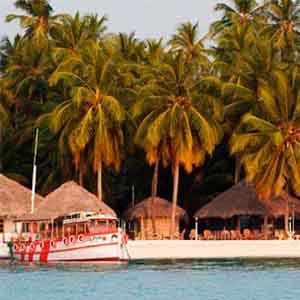
8. A film is shown to the tourist once they board the ship on way to Lakshadweep islands informing them about the island, its environment, the coral reefs and its management, the ban on picking up of corals, plastics etc. and ways to keep the islands clean and enjoy the beauty without disturbing or destroying it. 9. Being a restricted area entry is allowed only after issue of permits and therefore the over crowding in the islands is easily taken care of. 10. The boats, vessels and ships of Lakshadweep Administration especially of Lakshadweep tourism carry the names of Island territories having great ecological value. Some of the names are MV Thinnakara MT Suheli. Thinnakara and Suheli are uninhabited islands in Lakshadweep archipelago and are known for their outstanding beauty and bio-diversity. Naming the vessels as above carries the message of ecology for all the tourists as well as islanders. 11. Fishing in Lakshadweep is carried out by poll and line method only. It is acknowledged all over the world that Pole and line method is most Eco friendly method of fishing of tuna in which only mother fishes are caught and young ones as also mother marine creatures are spared, which are unnecessarily destroyed in other fishing methods. 12. Islanders are being trained in Scuba diving so that they not only know about marine wealth but also contribute in maintaining the ecology of the islands and works as eyes and ears of the Administration. 13. Administration has initiated steps to document the bio-diversity of the Island with the help of M.S. Swaminathan foundation and local staff. 14. Lakshadweep Building Development Board has been constituted to import and provide construction materials so that local does not collect it from the Island damage the ecology. Golden
Triangle - with Taj Mahal - India's top tourist Destinations and
more....
|
|
|
|
|
 |
Click for - India's True Portal |
|
| Privacy Policy for LiveIndia.Com |
|
|
City guide to Lakshadweep Beach with information on travel, transport, shopping, cheap flights, airports, hotel booking, sights, attractions, events and more