
Kerala India |

Dedicated site of Goa |

click for Other Tourist Place |
|
Kerala India |
Dedicated site of Goa |
click for Other Tourist Place |
|
|
|
|
|
Kerala Gallery Page 1
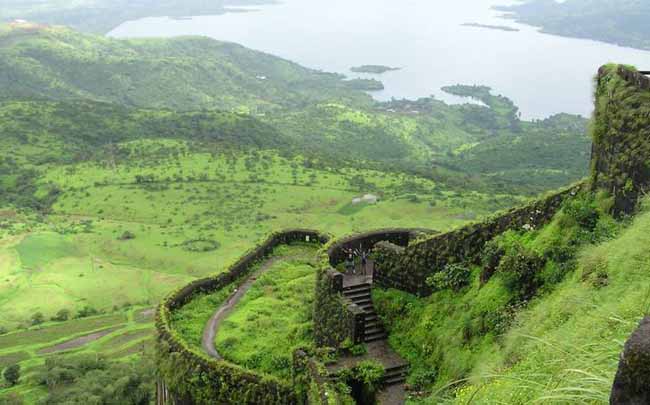 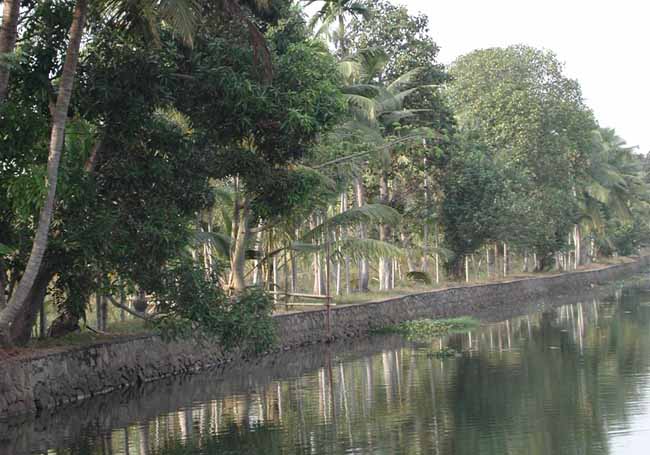 shards of exquisite chinaware that have been excavated in and around Quilon. 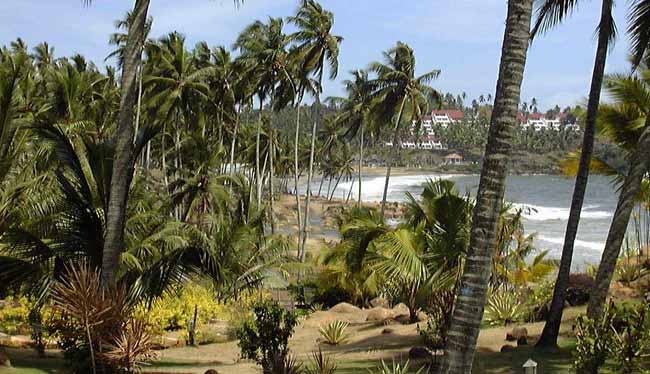
|
|
|
|
|
|
 |
 |
 |

A Tribute to Beauty The Taj Mahal with Gallery |
|
|
Dedicated site of Goa |
Temples of Love Khajuraho with Gallery |

Kailash Mansarover Shiva Complete Yatra (Virtual Tour |
 |

Maa Ganges Gomukh to Ganga Sagar Virtual Tour with all Details |

Delhi RED FORT with Gallery |

 |
|
( The Trade Marks Act, 1999, No. 01403083. User Since : 01/04/1997 ) 
All rights reserved. No part of this publication and other sites of under liveindia.com may be transmitted or reproduced in any form or by any means without prior permission from the publisher Live India Internet Services or Mr.Rajesh Chopra, L.C.Premium Cables, 1826, Amar Nath 2nd Building, Bhagirath Palace Delhi - 110006, India. Liveworldtours.com, Liveindia.com or Mr.Rajesh Chopra is not responsible for any wrong information under live india's sites, For confirmation of any information it is recommended that you reconfirm it from your end. |
.
