 |
Multi Dimensional Entertainment magazine from INDIA |

click for Other Tourist Place |
|
Multi Dimensional Entertainment magazine from INDIA |
click for Other Tourist Place |
 |
|
|
|
|
|
|
|
|
|
 |
| Trekking
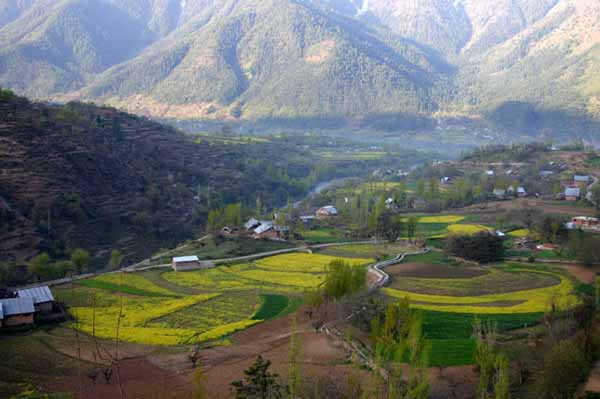
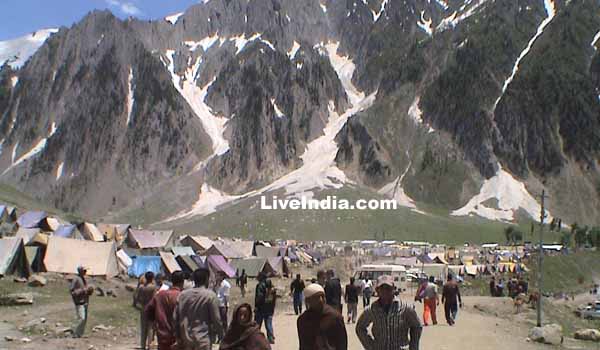
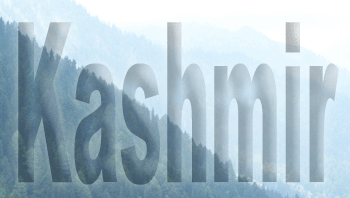
For trekkers, Kashmir is the ultimate paradise. The terrain from the Shivalik hills of Jammu to the rugged mountains of Ladakh is a geographer's delight. Nowhere in the world can one see so much change in geography in such a small distance: flora and fauna; Alpine pastures saddled among snow clad peaks with pure oxygenated air; high-altitude lakes of Kishensar, -Vishensar and Gangabal full of trout. Your constant companions would be the nomadic shepherds - the Gujjars - the tough and sturdy mountain folk who can carry you on their back and still complete the trek in half the time and who claim to be descendants of Moses. One can go back-packing on one's own or take on a 'five star' trek in the Mughal fashion with camp cots, tables and chairs and bearers in waiting. A num-ber of local travel agencies organise all inclusive trekking. For those who want to do it in real Alpine style, equipment is readily available in Srinagar, Pahalgam and Sonamarg, the main take off points. Choice provisions can be purchased in Srinagar. Mules and porters can be engaged through the respective tourist offices. One can hike for a day, or disappear in the mountains for a week, enjoy the tranquility and serenity, becoming one with the surroundings in a rare communion with nature.
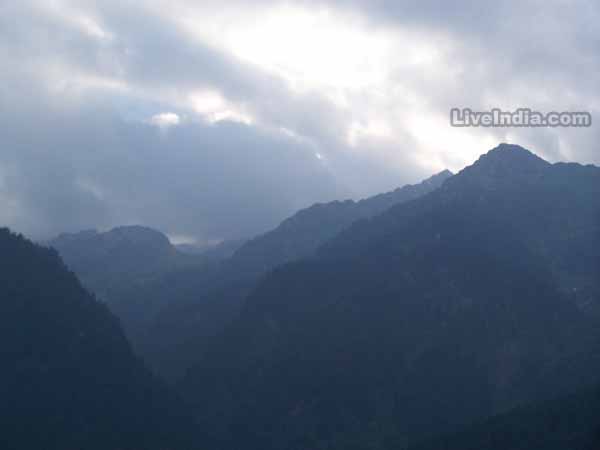
An excellent base for trekking in the northern Pir Panjal Range, one can see Nanga Parbat from here from several viewpoints. One such viewpoint is Khilanmarg to the west of Gulmarg. From a distance, the Pir Panjal appears to be rounded but while trekking one realizes that it seem quite equal in steepness to those of the main Himalayas. To the south of Gulmarg is a pleasant trek of the walk up the Ferozepur Nala and beyond to the hamlets of Danwas, Tejjan, and to Samaidan. One needs a guide for trekking here as many stock trails intersect the route. The walk from Gulmarg to Tosamaidan is considered to be three stages long. One may return by way of Riyar and Khag villages or continue south toward Sunset Peak and then walk into the foothills along the Romushi Nala to Yusmarg. 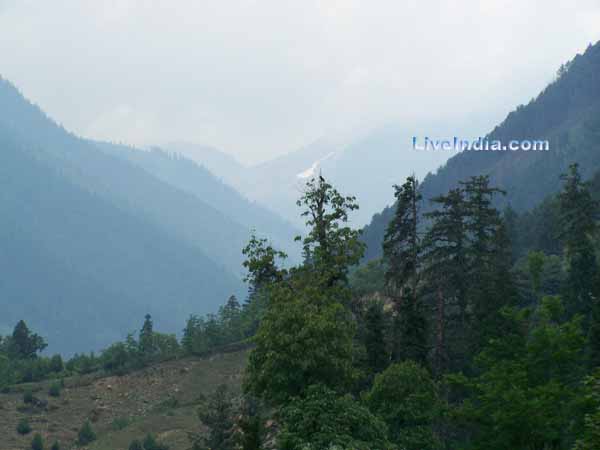 Sonamarg is the starting point of a major trek passing several mountain lakes that include Vishansar, Kishansar, Gadsar, Satsar and Gangabal. One trek even leads all the way to the Amarnath Cave. Thajiwas Trek
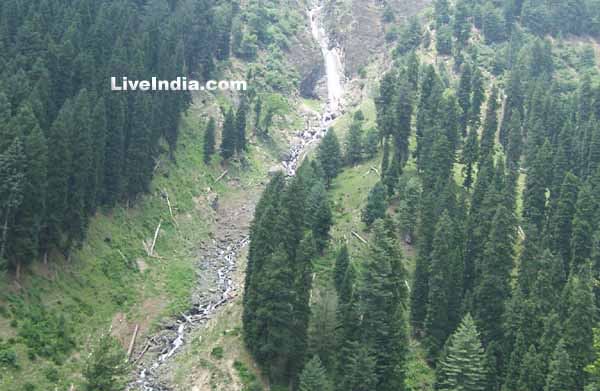 To the west of Sonamarg, is a fine trek where one crosses the Nichinai pass to Gangabal Lake. Accompanied by a guide, the starting point of the trek is the bridge in Shitkari village, where the road crosses the Sind River. One starts across the right bank of the river to the lakes called Krishan Sar and Vishan Sar, all the way to Gangabal Lake near Haramukh, which is the highest peak in the vicinity of the Kashmir valley.

 |
|
|
|
|
|
|
|
|
|
|
|
|
 |
| Welcome to Rajesh Chopra's Guest Book and comments Please |
 |
|
Copyright © 1998-2006 LiveIndia.com All rights reserved ( The Trade Marks Act, 1999, No. 01403086. User Since : 01/04/1997 )
All rights reserved. No part of this publication and other sites of under liveindia.com may be transmitted or reproduced in any form or by any means without prior permission from the publisher Live India Internet Services or Mr.Rajesh Chopra, L.C.Premium Cables, 1826, Amar Nath 2nd Building, Bhagirath Palace Delhi - 110006, India. Liveindia.com or Mr.Rajesh Chopra is not responsible for any wrong information under live india's sites, For confirmation of any information it is recommended that you reconfirm it from your end. |
Click for - India's True Portal |
|