 |
 |
|
|
|
|
|
|
|
|
|
|
|
|
|
|
|
|
|
|
|
|
|
|
 |
|
|||||
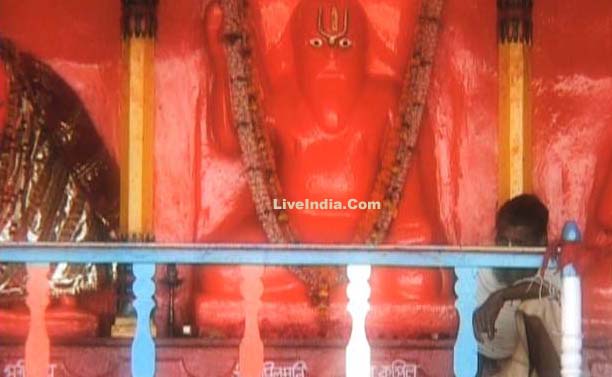
Kapil Muni Kapil Muni was the son of Kardam Rishi and Daksh's daughter Devahooti. He was Avataar of Vishnu. Kardam Rishi had nine daughters also. After the birth of Kapil, Kardam Muni went to forest for Tap. Later he preached Saankhya Yog to his mother. Once he was sitting in Samaadhi in his Aashram, that Raajaa Sagar's 60,000 sons came there in search of their father's Yagya horse. They found it tied with a tree nearby him, so they thought that Kapil Muni had stolen it. They started telling him some bad words. Kapil Muni opened his eyes and all of them were burned to ashes. Then Raajaa Sagar sent his grandson Anshumaan in search of his 60,000 sons. He traced his uncles' footsteps and arrived at Kapil Muni's Aashram. He saw a mound of ashes near his Aashram. He understood everything. He greeted him and came to know the fate of his uncles. He asked him as how he could give them Mukti (emancipation). Kapil Muni suggested him to bring Gangaa on Prithvi so that her water can give them Mukti. |
|||||
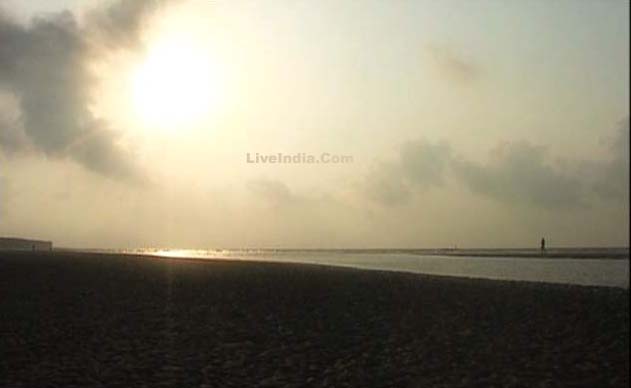
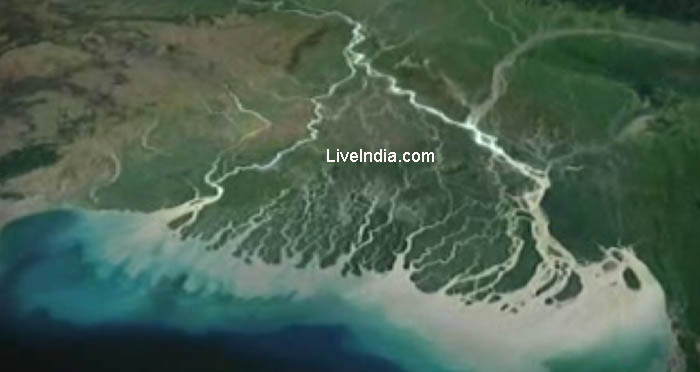
The ganges river is known as Mother Ganga. Ganga sagar is the end of mother ganga 2700 Km. course where she meets the bay of bengal. Population: 75 million Capital: Calcutta Area: 88,000 sq km Best Time to Visit: October to March Main Language: Bengali Literacy Rate: 59% |
|||||
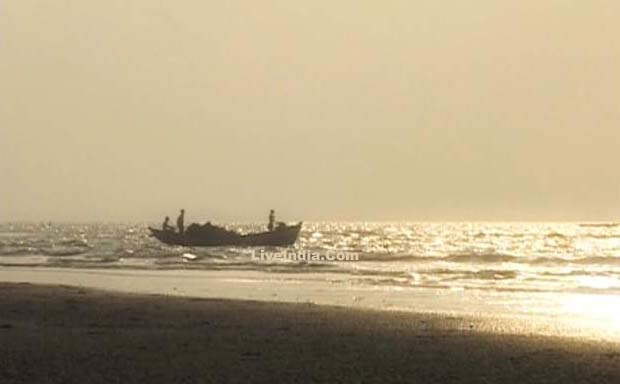
Initially, river Ganga flowed in the heavens. She was brought down to earth by the severe penances of the sage Bhagiratha and that is why she is also called Bhagirathi. According to the story, of the descent of the Ganga, once a number of demons were harassing the hermits by disturbing them in their ascetic duties. During the day, they would be chased into the ocean. But in the darkness of the night, they would emerge from the ocean and start harassing the hermits again. In desperation the hermits appealed to Rishi Agastya. Agastya, known for his gastronomic powers, drank all the water of the ocean. Though this was done in good faith, it resulted in depriving the world of the water needed for sustenance and the earth became parched and dry. Bhagiratha brought this drought to and end. |
|||||
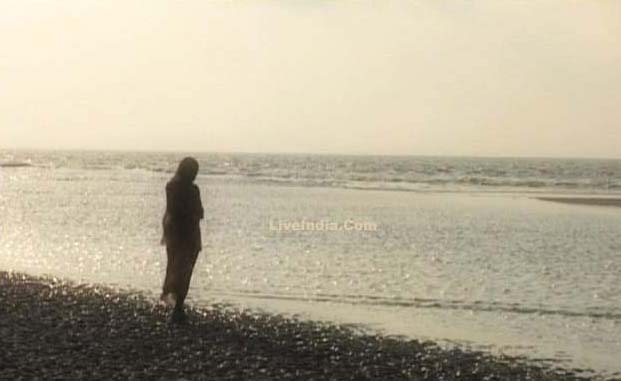
Gangapujan Dashahara or Dussehra This is literally the "birthday or descent of mother Ganges - Ganga Ma". Throughout india this festival lasts ten days beginning on the Amavasya (dark moon night) and going through to the dasami tithi (tenth phase of the Moon, the day before Pandava Nirjal Ekadasi) "Festivals connected with rivers are essentially bathing festivals. Ganga Dussehra is celebrated on the tenth day of Jyeshtha. River Ganga is worshipped as a mother as well as a Goddess, particularly by people of Uttara Pradesh, Bihar, and Bengal through which the river flows. On this day, if a devotee is unable to visit and bathe in the river Ganga, then Ganga jal (water) kept in most Hindu homes is used for purification. A bath in the river is said to purify the bather of all sins. The Ganga is revered all over India even in places far from its course
|
|||||
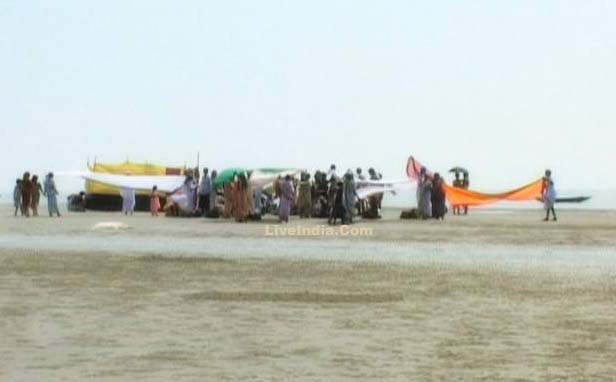
According to the Agni Purana and Padma Purana, the Ganga descended to the earth on Ganga Dussehra day and a bath in the holy river on this day is said to purify one of all sins. To die on the banks of the Ganga is considered most auspicious. If that is not possible, then the immersion of the ashes after cremation in the river Ganga is a must, as it then releases one from the cycles of birth and re-birth. the seven ways of worshipping the Ganga are: by calling out her name, 'Oh Ganga'; having darshan of her; by toughing her waters; by worshipping and bathing; by standing in the waters of the river; and by carrying clay dug out of the river. Ganga in her anthropomorphic form is shown as a beautiful young woman standing on a crocodile and holding a waterpot in her hands. Her image, with that of the Goddess Yamuna, another sacred river deity, is often depicted on the doors of temples and palaces. In Gujarat, there is a legend according to which Ganga came down to the earth on Rishi Panchami, the fifth day of Bhadra (September) at Tarnetar. |
|||||
 |
|||||
 |
|||||
 |
|||||
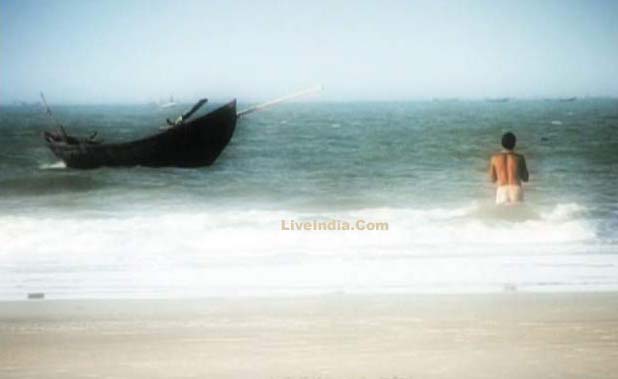
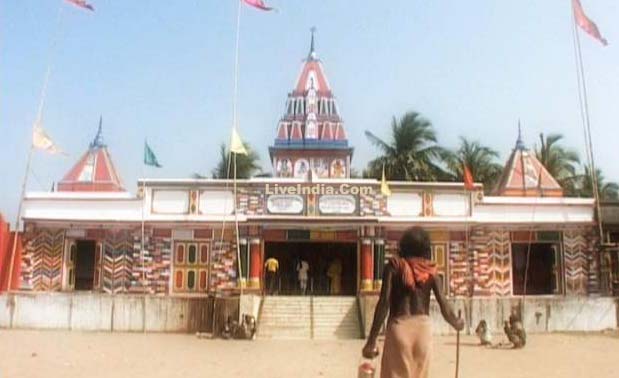
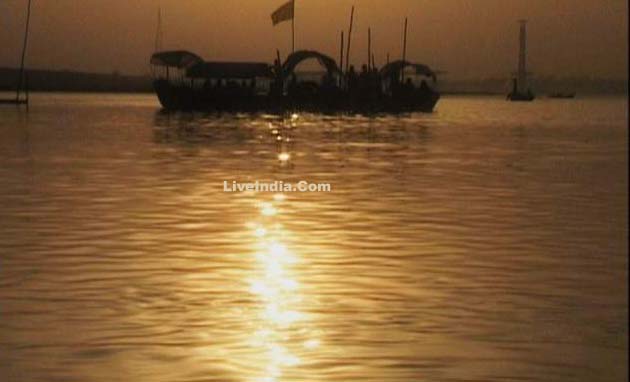
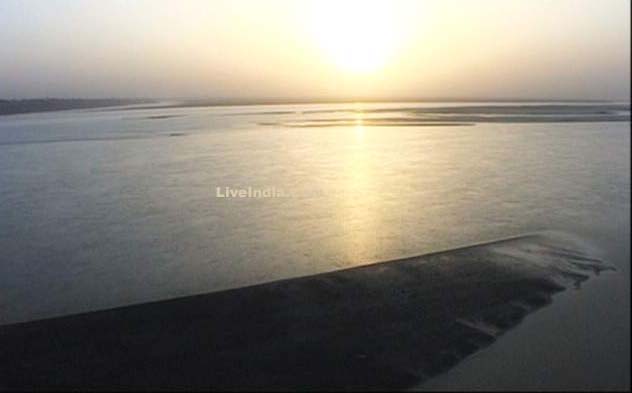
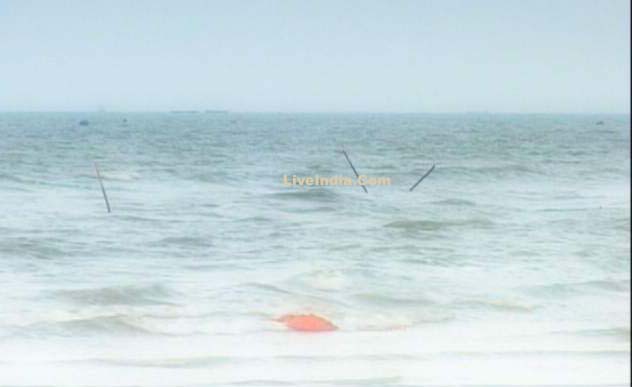
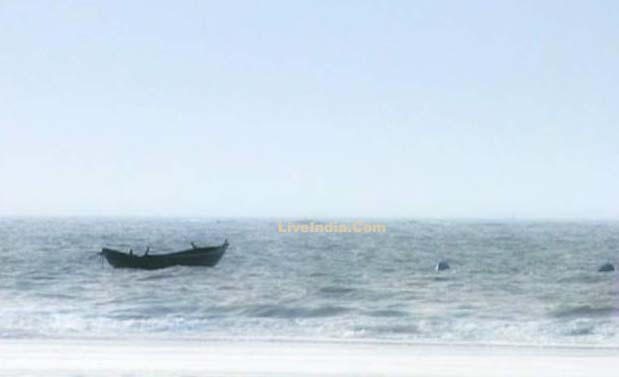
The river Ganga which originates in the Gangotri glacier in the snow clad Himalayas, descends down the mountains, reaches the plains at Haridwar, flows through ancient pilgrimage sites such as Benares and Prayag, and drains into the Bay of Bengal. Sagar Island, at the mouth of the river Hooghly in Bengal (accessed from Diamond Harbor), where the Ganga breaks up into hundreds of streams, and drains into the sea, is honored as a pilgrimage site, signifying the spot where the ashes of the ancestors of Bhagiratha were purified by the waters of the Ganga. The Kapila muni temple at this site is a center of worship. The origins of this temple are obscured in antiquity - the current structure being a recent one, housing a stone block considered to be a representation of Kapila Muni; there are are also images of Bhagiratha, Rama and Sita. A dip in the ocean, where the Ganga drains into the sea is considered to be of great religious significance particularly on the Makara Sankranti day when the sun makes a transition to Capricorn from Saggitarius and this town becomes home to vast fairs, drawing visitors and recluses (sanyasis) from all over the state. |
|||||
 |
|||||
|
|
|
|
|
|
|
|
|
|
|
|
|
|
|
|
|
|
|
|
|
|
|
|
|
|
|
( The Trade Marks Act, 1999, No. 01403083. User Since : 01/04/1997 ) 
All rights reserved. No part of this publication and other sites of under liveindia.com may be transmitted or reproduced in any form or by any means without prior permission from the publisher Live India Internet Services or Mr.Rajesh Chopra, L.C.Premium Cables, 1826, Amar Nath 2nd Building, Bhagirath Palace Delhi - 110006, India. Liveindia.com or Mr.Rajesh Chopra is not responsible for any wrong information under live india's sites, For confirmation of any information it is recommended that you reconfirm it from your end. |
 |
 |
 |
 |
 |
 |
 |
 |
 |
 |
 |